
Last updated September 10, 2026
Full 25-point door and opener safety check with every visit - springs, cables, rollers, tracks, and your LiftMaster or Chamberlain opener included
You get a price before we start. It does not change when the truck arrives.
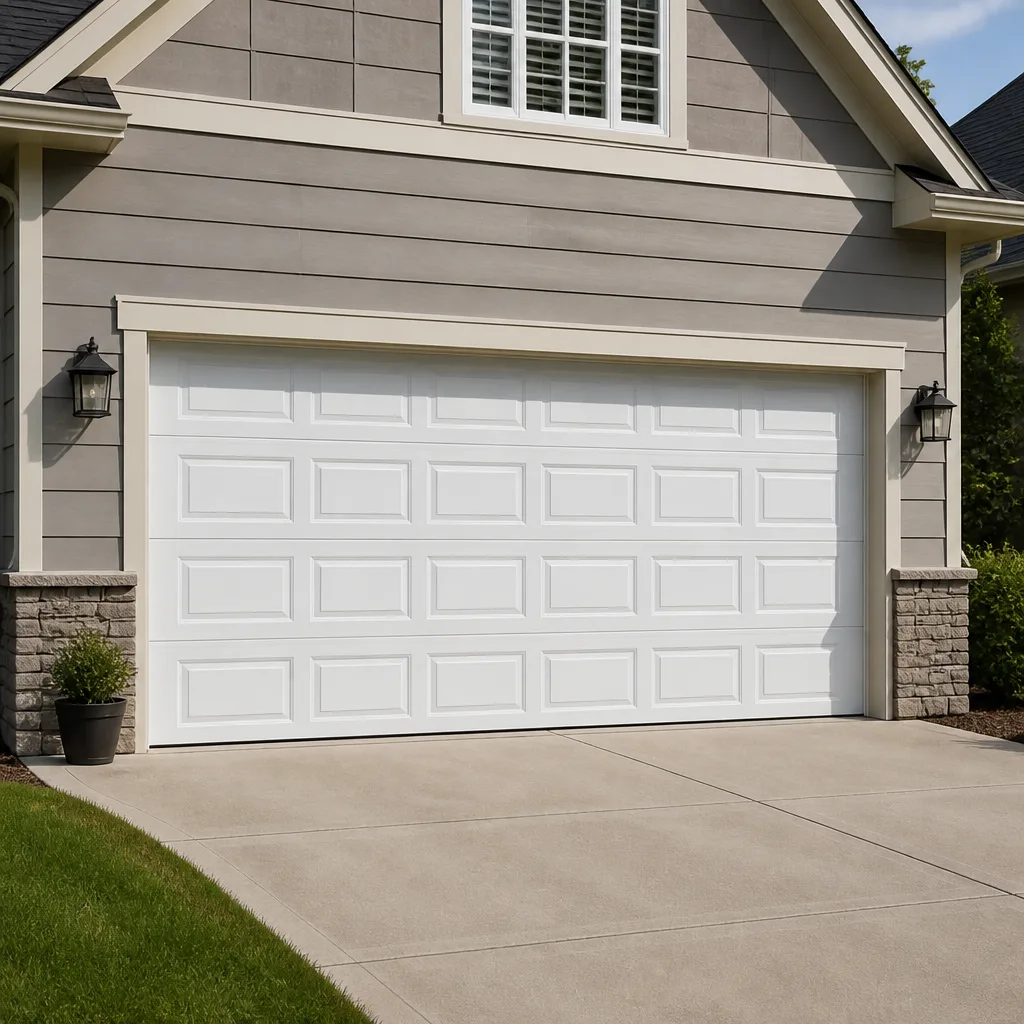
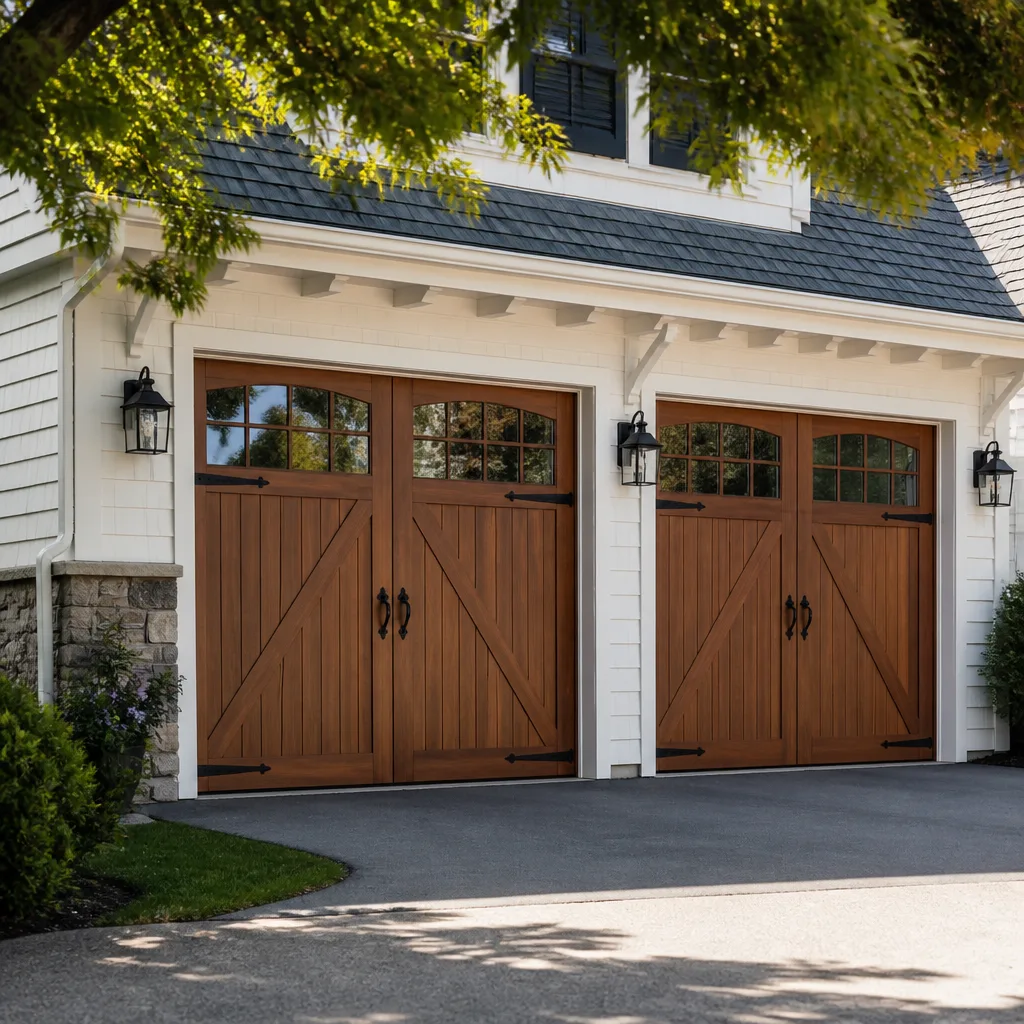
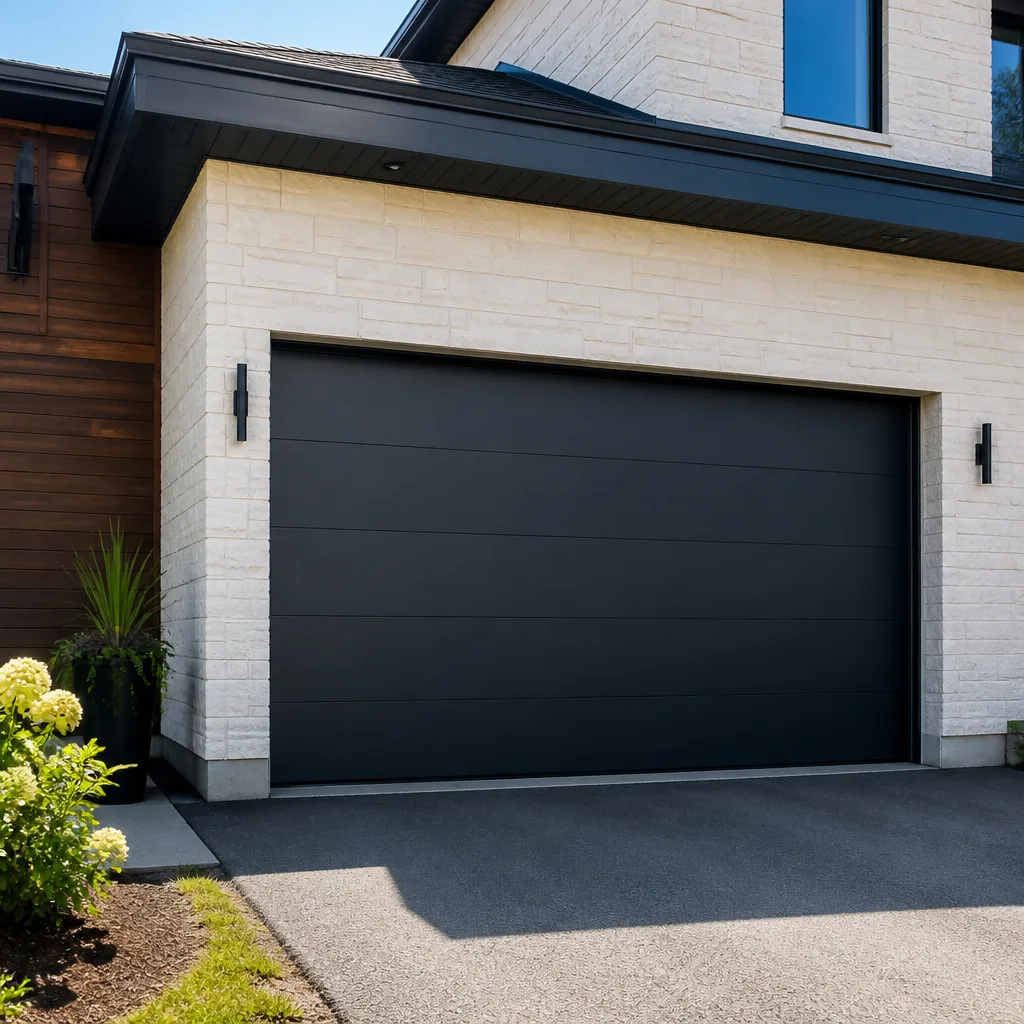
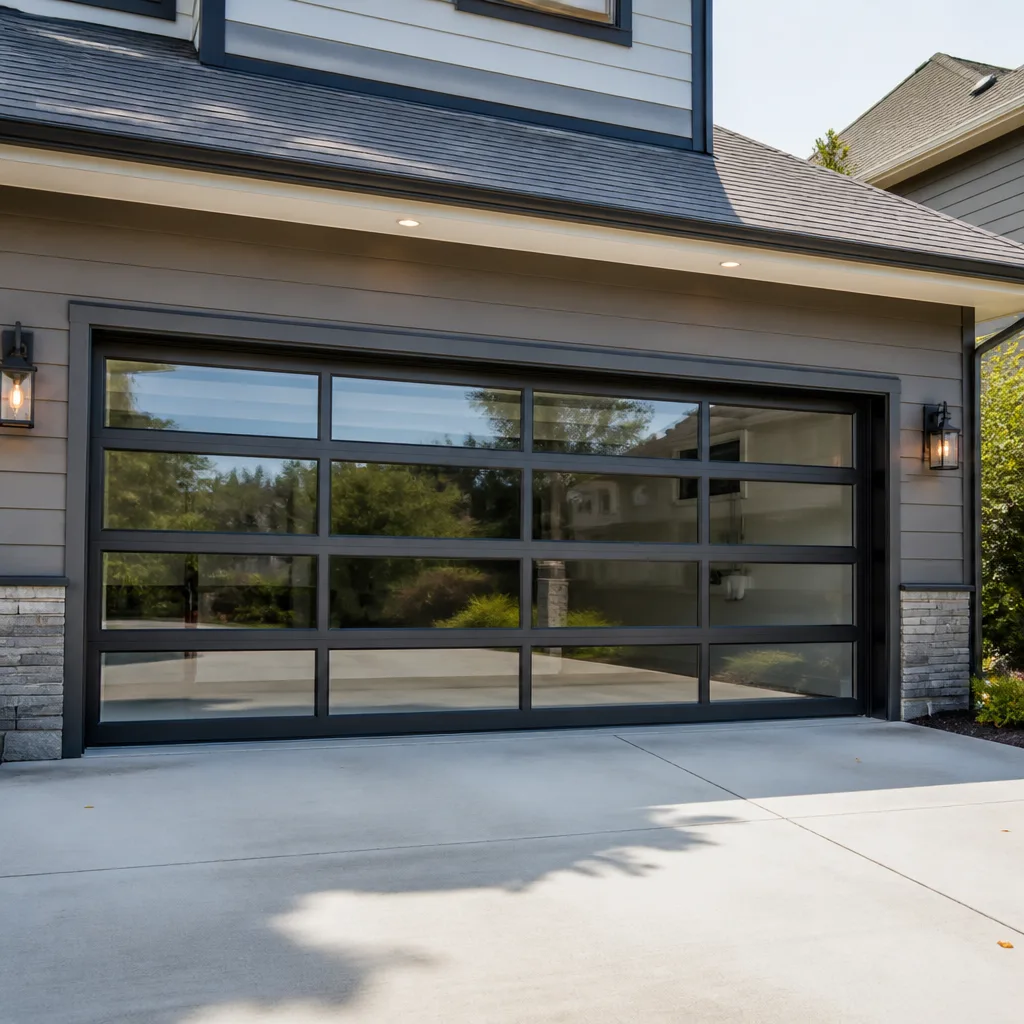
 Before
 After
After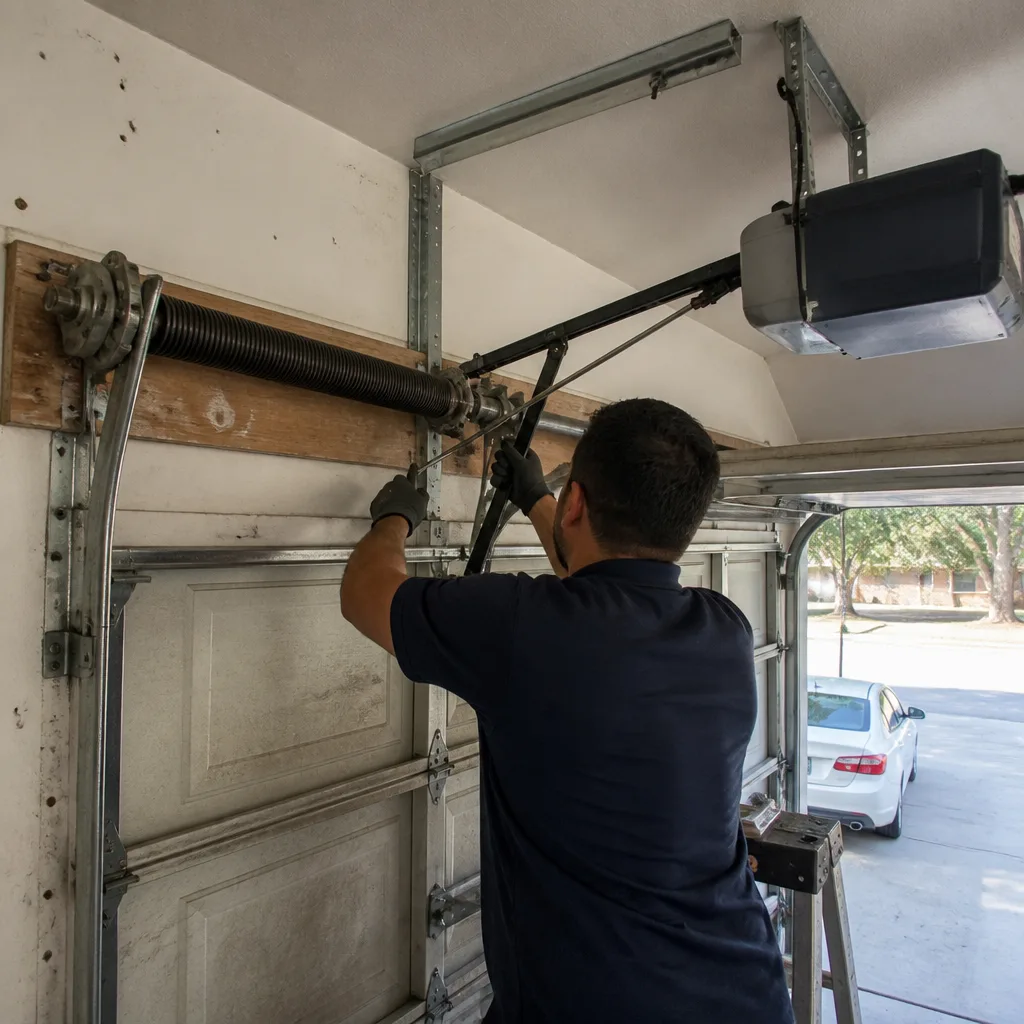 Before
 After
After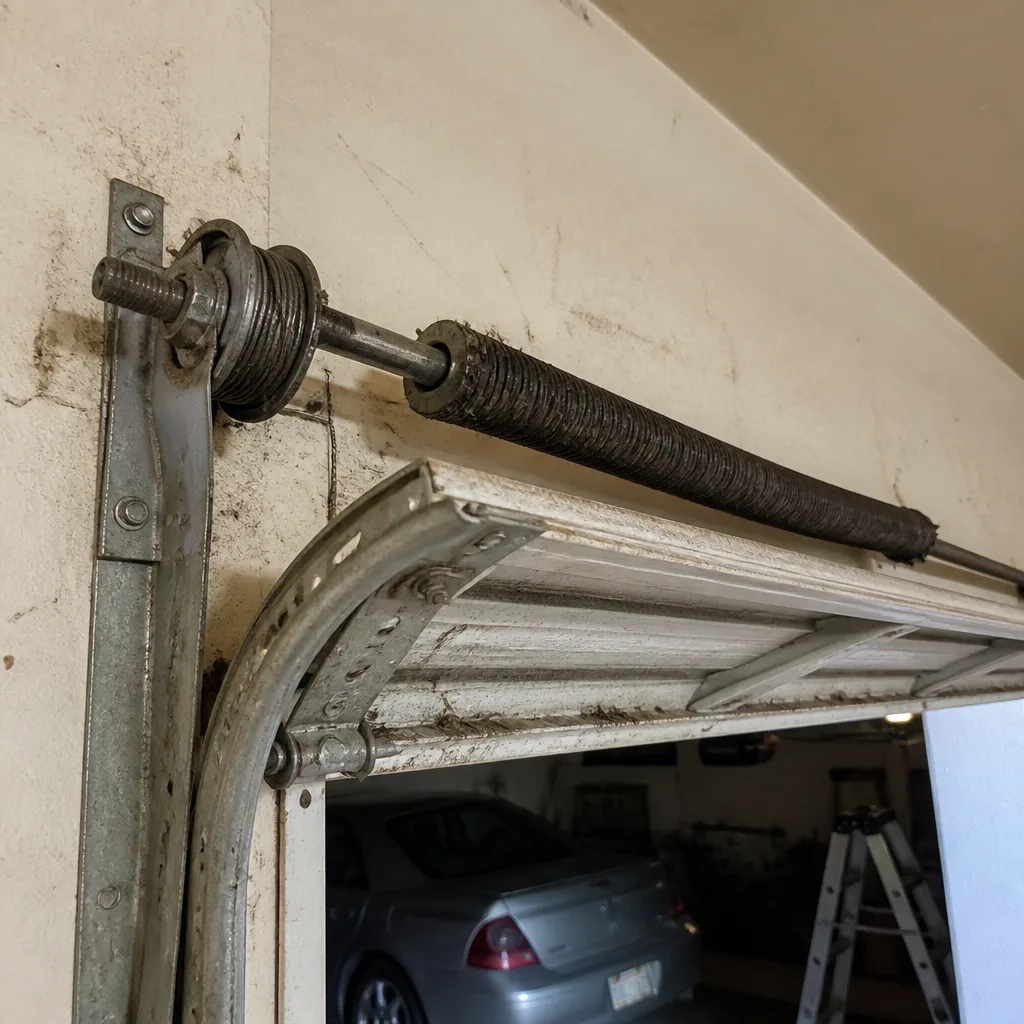 Before
 After
AfterThe Complete Guide to Garage Door in Grapevine
Most homeowners replace a garage door once in twenty years and make every decision based on a showroom photo. That is exactly why 60% of replacements in North Texas are undersized for the insulation load the home actually needs. In Grapevine, where summer heat index values regularly push past 105 degrees and limestone dust from construction and agriculture settles into track grease every spring, a garage door is not a cosmetic choice. It is climate armor for the largest moving part on your home. This guide maps every decision, material, insulation rating, drive type, and service cycle to Grapevine’s actual conditions, not generic national averages written for climates that never see a Texas August.
Quick Answer
A garage door in Grapevine should be a steel-back insulated panel with an R-value of 12 to 16, paired with a belt-drive opener if the garage faces west, and serviced every 12 months due to DFW heat-island stress on springs and electronics. Cedar-look steel outperforms real wood in local humidity swings, and acoustic insulation matters more here than in most guides suggest because of DFW Airport flight-path noise. Expect to invest $1,200 to $3,800 for a complete replacement, with annual tune-ups at $89 to protect that investment. See our Garage Door Cost Breakdown: The Grapevine Homeowner’s Reference for 2026 for detailed pricing factors.
Table of Contents
- How Grapevine’s Climate Changes What You Need
- Steel, Wood, or Composite: What Works Here
- R-Value, Air Infiltration, and Real Heat Transfer
- Belt, Chain, or Screw Drive: The West-Facing Garage Problem
- DFW Airport, HOA Rules, and Acoustic Choices
- Grapevine Neighborhoods and HOA Finish Standards
- Service Cycles for North Texas Conditions
- What Garage Door Work Costs in Grapevine
How Grapevine’s Climate Changes What You Need
Grapevine sits in a specific corridor of the Dallas-Fort Worth heat island, bordered by Grapevine Lake to the north and the airport complex to the south. That lake effect moderates overnight lows slightly, but it also pushes morning humidity higher than inland Tarrant County readings. By afternoon, the asphalt and concrete of DFW International radiate stored heat back into surrounding neighborhoods. Your garage door cycles through this thermal load daily.
Here is what that means in practical terms:
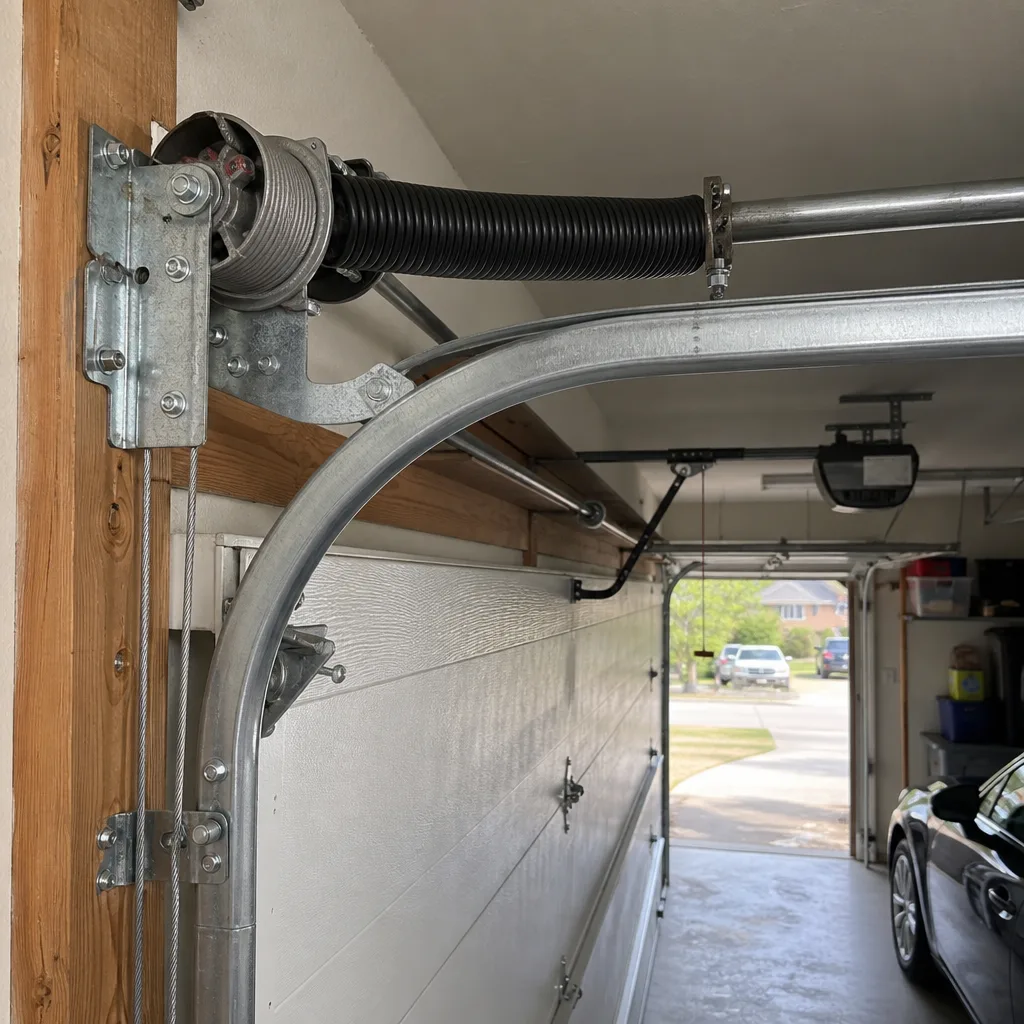
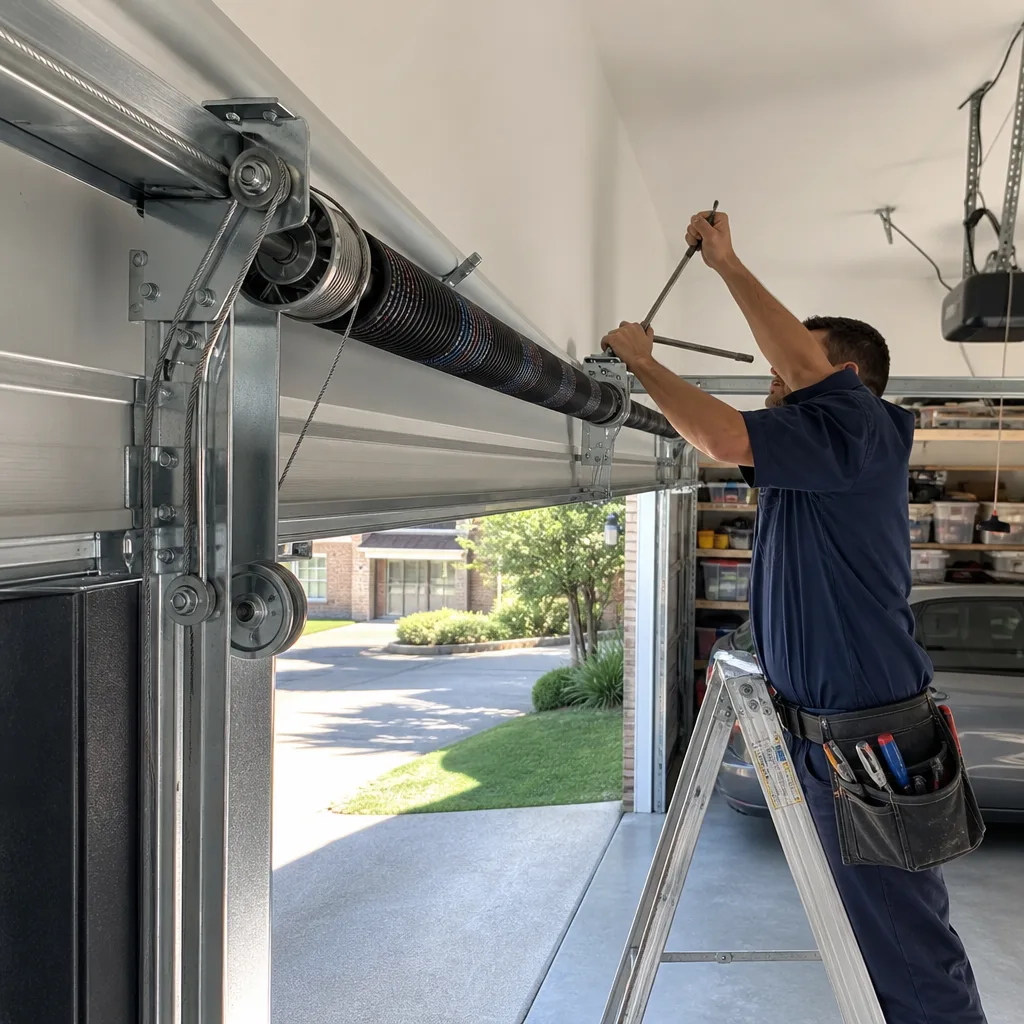
- Springs fatigue faster. Torsion springs are rated in cycle life, typically 10,000 cycles for standard hardware. Heat cycling accelerates metal fatigue. In Grapevine’s climate, a door used four times daily hits that cycle count 18 to 24 months sooner than the same hardware in a cooler climate. We see this in the field: springs in Colleyville and Southlake, just west of the lake effect, average longer service life than comparable installations in Grapevine proper.
- Electronics degrade in overhead heat. Opener circuit boards sit in the hottest part of the garage, near the ceiling. Sustained temperatures above 120 degrees, common in west-facing Grapevine garages during July and August, shorten capacitor life and cause intermittent remote failures that mimic wiring problems.
- UV exposure is directional and severe. A south or west-facing door panel absorbs 6 to 8 hours of direct summer sun. Factory finishes on lower-grade steel can chalk and fade within four years. In Grapevine’s Stone Canyon and Timarron subdivisions, where homes sit on elevated lots with minimal tree cover, we have replaced doors that looked twenty years old at year seven.
- Hail risk is not theoretical. The April through June severe weather corridor in North Texas produces hail that dents unbacked steel and shatters glass inserts. Grapevine’s position on the southern edge of Tornado Alley means impact-rated construction is not overbuilding. It is baseline prudence.
The limestone dust factor is less dramatic but equally specific to this region. Caliche road base and ongoing construction in expanding Grapevine subdivisions generate fine particulate that settles into track lubricant. By late summer, that paste becomes abrasive. Annual cleaning and re-lubrication is not optional maintenance here. It is the difference between rollers that last fifteen years and rollers that grind flat in four.
Garage door repair in Grapevine addresses these climate-stressed components with parts selected for local conditions, not catalog defaults.
Steel, Wood, or Composite: What Works Here
The material decision for a Grapevine garage door starts with an honest assessment of how long you plan to stay in the home and what the structure demands.
Steel remains the practical standard. A 24- or 25-gauge steel back panel with factory-applied composite overlay resists the humidity swings that destroy real wood. Grapevine’s wet springs, with relative humidity pushing 85% during April storm systems, swell and check natural cedar. By July, that same wood is desiccated. The expansion-contraction cycle loosens joints and cracks finish within three years.
Cedar-look steel, by contrast, carries the aesthetic without the maintenance liability. Wayne Dalton and Clopay both manufacture embossed steel overlays with grain patterns that read as wood from the curb. The difference is maintenance: steel needs washing; wood needs staining, sealing, and eventual replacement of warped sections. For a homeowner at 55 or 70 who does not want to climb a ladder twice yearly, the math is simple.
Real wood has a place. It is appropriate for historic district homes near Grapevine’s Main Street corridor, where the Design Review Board enforces period-appropriate materials. Even there, we recommend engineered wood or aluminum-core composites with wood veneer, not solid rail-and-stile construction. The thermal stability is worth the slight premium.
Full-view aluminum and glass have gained popularity in modern builds near the lake and in newer infill. The aesthetic is clean, but the thermal performance is poor. Aluminum frames conduct heat directly into the garage. If you choose this style, budget for higher R-value wall insulation and possibly a mini-split to handle the thermal load. We have measured garage temperatures 18 degrees higher behind full-view doors in August.
Fiberglass composites resist denting and corrosion, but UV degradation is real. Lower-grade fiberglass yellows and surface-cracks in Texas sun. If you select fiberglass, specify a gel-coat rated for southern exposure and accept that re-gel-coating is a 10-year maintenance item.
Our recommendation for most Grapevine homes: a two- or three-layer steel door with polyurethane foam core and embossed wood-grain overlay. It carries the visual weight the neighborhood expects without the maintenance burden the climate imposes.
R-Value, Air Infiltration, and Real Heat Transfer
Garage door insulation is marketed with a single number: R-value. That number matters, but it is incomplete. A door with R-16 foam core and poor perimeter sealing performs worse than an R-12 door with tight weatherstripping and a proper bottom seal.
In Grapevine’s climate, the complete thermal picture includes:
- R-value of the panel itself. Polyurethane injection between steel skins yields R-12 to R-18 depending on thickness. Polystyrene, the cheaper alternative, tops out around R-8 and does not bond to the skin, so it can shift and create voids.
- Air infiltration rate. The door’s perimeter seal, header seal, and bottom astragal determine how much 105-degree air pushes into the garage every time the wind blows. A 1/8-inch gap along a 16-foot door is 24 square inches of uncontrolled leakage. In a west-facing garage, that is the thermal equivalent of leaving a window cracked.
- Thermal bridging at hardware points. Steel hinges and track brackets conduct heat through the panel. Quality doors use thermal breaks at these points. Budget doors do not.
The northern climate assumption baked into most R-value marketing is that you are keeping heat in. In Grapevine, you are keeping heat out. That changes the calculation. An attached garage with a bedroom above it, common in Grapevine’s 1990s and 2000s subdivisions like Timberline and Bear Creek, transfers heat through the ceiling assembly. A poorly insulated garage door forces the upstairs HVAC system to work harder. We have measured ceiling temperatures 14 degrees higher in garages with uninsulated doors versus R-16 insulated units on identical homes.
The practical recommendation: R-12 minimum for detached garages, R-16 for attached garages or any garage with living space above or adjacent. Pair that with a vinyl bulb bottom seal in good condition and a vinyl or rubber perimeter seal that compresses against the jamb. The seal material matters in Grapevine heat. Cheap vinyl hardens and cracks in two summers. EPDM rubber or silicone-blend compounds last five to seven years.
Garage door installation in Grapevine should include verification of the complete thermal assembly, not just the panel R-value sticker.
Belt, Chain, or Screw Drive: The West-Facing Garage Problem
Opener selection in Grapevine requires more thought than most homeowners expect. The decision is not just about noise level. It is about thermal stress on mechanical and electronic components.
Chain drive is the traditional standard. It is durable, inexpensive, and tolerant of minor misalignment. The downside is noise and maintenance. The chain requires periodic lubrication. In Grapevine’s dust environment, that lubricant attracts particulate. A chain drive in a west-facing garage, where afternoon temperatures peak, runs louder as the lubricant thins and the metal expands. We replace more chain drives in Grapevine’s western subdivisions, like those along Highway 114 and 121, than in shaded eastern neighborhoods near the lake.
Belt drive uses a reinforced rubber or polyurethane belt instead of chain. It runs quieter, requires no lubrication, and is less affected by thermal expansion. For a west-facing garage in Grapevine, this is our default recommendation. The belt does not stretch in heat the way chain tolerances open up. The motor works less hard. Electronics stay cooler because the drive mechanism generates less friction heat. LiftMaster and Chamberlain both manufacture belt-drive units with battery backup and Wi-Fi connectivity that we install regularly.
Screw drive has largely disappeared from the market, and for good reason. The threaded steel rod requires precise lubrication and is highly sensitive to temperature-related length change. In Texas heat, expansion and contraction of the screw causes binding and premature wear. We do not recommend screw drive for any Grapevine installation.
Jackshaft (wall-mount) openers mount beside the door rather than overhead. This removes the motor from the hottest zone of the garage entirely. For high-ceiling garages in newer Grapevine construction, or for homeowners who use the overhead space for storage, a jackshaft unit like the LiftMaster 8500W is worth the premium. It also frees the center of the ceiling for a storage platform or lighting.
Smart features and battery backup are increasingly standard, not luxury. Texas grid stress during summer peak load makes battery backup a practical feature, not a novelty. We have fielded dozens of calls from Grapevine homeowners trapped in garages during rolling outages. A battery-backup opener opens the door 20 to 50 times on stored power.
Garage door opener service in Grapevine includes thermal-stress assessment of existing units and upgrade recommendations based on garage orientation and usage patterns.
DFW Airport, HOA Rules, and Acoustic Choices
Grapevine’s proximity to DFW International Airport is an amenity and an acoustic reality. Flight paths over the city mean exterior noise in the 65 to 75 dB range during peak operations, with interior garage readings of 50 to 60 dB depending on construction. A standard steel garage door with minimal insulation does little to attenuate this. The door becomes a drumhead, transmitting vibration into the structure.
Acoustic performance in garage doors is rarely specified, but it should be in Grapevine. The factors that matter:
- Panel mass. Heavier doors block more sound. A three-layer steel-polyurethane-steel door at 150 pounds attenuates more than a single-skin door at 80 pounds. The mass law of acoustics applies: doubling mass increases transmission loss by roughly 6 dB.
- Damping layers. Some premium doors include constrained-layer damping, a viscoelastic material bonded between rigid layers that converts vibration to heat. This is the same technology used in automotive sound deadening. It is not standard, but it is available from manufacturers like Raynor and Wayne Dalton on request.
- Perimeter sealing. Sound travels through gaps. A tight perimeter seal does for acoustics what it does for thermal performance. The same EPDM seal that stops heat infiltration reduces airborne sound transmission.
- Opener isolation. Vibration from the opener motor transmits through the ceiling bracket into the structure. Rubber isolation mounts between the opener and the bracket reduce structure-borne noise by 3 to 5 dB. This is a five-dollar part that most installers omit.
Homeowners’ association rules in Grapevine subdivisions often specify aesthetic standards but rarely address acoustic performance. The Timberline Estates HOA, for example, requires earth-tone or wood-grain finishes and prohibits certain panel profiles, but says nothing about insulation or mass. A homeowner meeting the visual standard with a minimum-grade door gets the curb appeal the HOA demands and the interior noise they did not anticipate.
Our recommendation: specify acoustic performance at the time of replacement, not as an afterthought. The incremental cost of a heavier, damped door is 10 to 15% over baseline. The incremental comfort of a garage that does not vibrate with every passing aircraft is difficult to quantify but easy to appreciate.
Grapevine Neighborhoods and HOA Finish Standards
Grapevine’s housing stock spans four decades and multiple architectural phases, each with distinct garage door implications. Understanding your neighborhood’s context prevents the common error of installing a door that meets code but violates covenant.
Historic Grapevine and Main Street corridor: Homes built before 1980, many listed on the National Register. The Grapevine Historic Preservation Commission reviews exterior alterations. Carriage-house styling, true divided-light windows, and wood or wood-composite materials are typically required. Modern flush panels and aluminum full-view doors are prohibited. We have guided several homeowners through the design review process, submitting material samples and renderings before ordering. For broader context on permits and compliance, see Garage Door Permits, Codes & Inspections in TX: What You Need to Know.
1980s and 1990s subdivisions (Timberline, Bear Creek, Silver Lake): Raised-panel steel in white, almond, or sandstone dominates. HOAs generally permit standard profiles but restrict bold colors and non-standard window inserts. The construction of this era often includes attached garages with bedrooms above, making insulation performance particularly important. R-16 minimum is our recommendation here.
2000s and 2010s builds (Stone Canyon, Timarron, Montclair Parc): Larger homes with three-car garages and architectural detail requirements. Earth tones, wood-grain overlays, and decorative hardware are common mandates. Some HOAs require specific window grille patterns. The garage doors on these homes are highly visible from the street; the door is a significant percentage of the facade. Investment in premium finish and hardware pays in curb appeal.
New construction and infill near Grapevine Lake: Modern and transitional styles with clean lines, flush panels, and aluminum or glass elements. Thermal performance is often sacrificed for aesthetics in the builder specification. We recommend upgrading the standard door at build time; retrofitting later costs 40% more due to finish matching and structural modification.
A decision matrix for Grapevine homeowners:
| Neighborhood Era | Typical HOA Requirement | Recommended Panel Profile | Recommended R-Value |
|---|---|---|---|
| Pre-1980 Historic | Carriage house, wood or composite | Recessed panel, divided light | R-12 minimum |
| 1980s-1990s Suburban | Raised panel, neutral color | Standard or long raised panel | R-16 |
| 2000s-2010s Premium | Wood-grain overlay, decorative hardware | Recessed or carriage house | R-16 |
| 2015+ Modern/Infill | Flush panel, contemporary hardware | Flush or aluminum-frame glass | R-12 to R-16* |
*Full-view aluminum requires compensating wall and ceiling insulation.
Service Cycles for North Texas Conditions
The national recommendation for garage door maintenance is annual service. In Grapevine, that is the floor, not the ceiling. The specific stressors, heat, dust, humidity cycling, and hail exposure, justify a more proactive approach.
Our recommended service calendar for Grapevine homes:
- Spring inspection (March-April): After winter temperature swings and before severe weather season. Check spring tension and balance, lubricate moving parts with silicone-based lubricant (not WD-40, which attracts dust), inspect weatherstripping for winter damage, and test safety reverse systems. This is also the ideal time to assess hail damage from the previous year.
- Summer thermal check (July-August): Verify opener electronics are functioning in peak heat. Check for lubricant breakdown on chain drives. Inspect bottom seal for heat-hardening and cracking. Test battery backup if equipped. This visit prevents the August emergency call when the opener fails at 5:30 PM on a Friday.
- Pre-winter service (October-November): Re-lubricate after summer dust accumulation. Check spring tension before cold weather increases brittleness. Inspect and replace worn rollers before winter operation increases stress on the opener. Verify weatherstripping is intact to prevent rodent entry and thermal leakage.
Between professional visits, homeowners can perform basic observation: listen for grinding or squealing, watch for uneven door travel, and test the manual release monthly. But spring adjustment, cable replacement, and track alignment are not DIY tasks. Torsion springs store lethal energy. We have responded to injuries from homeowners who attempted self-service with online tutorials. The risk is not theoretical.
Mainspring’s $89 Seasonal Tune-Up covers the complete inspection and adjustment cycle. Most Grapevine homeowners schedule spring and fall visits, with a summer check only if the garage faces west or the opener is more than eight years old.
What Garage Door Work Costs in Grapevine
Pricing in the Grapevine market reflects DFW metro labor rates, material availability, and the specific hardware requirements of local climate conditions. The ranges below are based on our 2024-2025 service data for Tarrant County and reflect actual quoted prices, not national estimates.
| Service Category | Typical Range | What Affects Price |
|---|---|---|
| Spring replacement (pair, standard torsion) | $280 – $420 | Door weight, spring cycle rating, single vs. double spring |
| Cable replacement (pair) | $180 – $260 | Cable length, drum type, corrosion damage |
| Roller replacement (full set, 10-12 rollers) | $220 – $340 | Standard steel vs. sealed bearing nylon |
| Opener repair (circuit board, gear, sensor) | $150 – $380 | Part availability, opener age, brand |
| Opener replacement (installed, belt drive) | $580 – $920 | Motor HP, smart features, battery backup |
| Panel replacement (single, insulated steel) | $340 – $580 | Panel availability, color match, insulation level |
| Complete door replacement (standard 16×7) | $1,200 – $2,400 | Insulation, window inserts, hardware grade |
| Complete door replacement (premium 16×7) | $2,400 – $3,800 | Wood-grain overlay, custom windows, heavy-duty hardware |
| Annual tune-up | $89 | Fixed price, includes full inspection and adjustment |
These prices are quoted and agreed before any work begins. That is our standard practice. The price on the invoice matches the price on the estimate. No surprises on the bill.
Current standing offers apply: $50 off any repair over $250, free second opinion on any written estimate, and a permanent 5% discount for seniors and veterans. These are not promotional gimmicks with expiration dates. They are standing policy.
Common Mistakes to Avoid
- Choosing R-value without checking air infiltration. A high R-value panel with gaps around the perimeter leaks conditioned air and admits dust. Verify the complete seal assembly, not just the foam core rating.
- Installing real wood in an unshaded, west-facing opening. Grapevine’s UV and humidity cycling destroy natural wood within five years. Cedar-look steel achieves the same aesthetic with a 25-year finish warranty.
- Ignoring garage orientation when selecting opener type. A chain drive in a west-facing garage runs loud and wears fast. The belt drive premium pays back in reduced service calls.
- Matching the neighbor’s door without checking HOA documents. Grapevine subdivision covenants vary. What passed in Timberline may fail in Stone Canyon. Review the specific requirements before ordering.
- Skipping the spring cycle upgrade to save $80. A 20,000-cycle spring costs incrementally more than 10,000-cycle hardware but lasts twice as long. In Grapevine’s heat, that upgrade is particularly cost-effective.
- Assuming all installers carry inventory. A second trip for parts means a second day without a functioning door. Confirm that your technician arrives with springs, cables, and common opener models on the truck.
- Neglecting the acoustic factor near flight paths. DFW Airport operations are not changing. A door selected for thermal performance alone may leave you with a garage that resonates with every departure.
When to Call a Professional
Some garage door symptoms indicate normal wear. Others signal imminent failure or genuine hazard. Call for service when the door operates unevenly, hangs at one side, or reverses without obstruction. These indicate spring imbalance or track misalignment that worsens with each cycle. Grinding or popping sounds from the opener suggest stripped gears or failing bearings. A door that will not stay open at the halfway point has broken spring tension and may descend unexpectedly. Any visible fraying or rust on cables warrants immediate inspection; cable failure allows the door to drop uncontrolled. And if the door has sustained visible damage from vehicle impact or hail, structural integrity may be compromised even if operation seems normal.
We do not recommend homeowner adjustment of torsion springs, cable drums, or spring anchor brackets. The stored energy in a standard residential torsion spring can cause severe injury or death. Our technicians are trained to handle these components with proper tools and procedures.
Mainspring Garage Door Co. offers free estimates in Grapevine. Call (817) 668-7138 to schedule. A live person answers every call, including nights, weekends, and holidays.
Frequently Asked Questions
A properly maintained steel garage door lasts 20 to 30 years in Grapevine conditions, though springs require replacement every 7 to 12 years due to heat-accelerated fatigue. Real wood doors in full sun may need major refurbishment in 5 to 8 years. Annual service extends component life significantly.
R-12 minimum for detached garages, R-16 for attached garages or any with living space above. Grapevine’s heat island effect and the common layout of bedrooms over garages in local subdivisions make the higher rating worth the incremental cost. Call (817) 668-7138 for a free assessment of your specific configuration.
Panel replacement is feasible if the door is less than 15 years old and the manufacturer still produces the profile and color. After that point, fade matching becomes difficult and structural compatibility uncertain. We stock common panel profiles and can evaluate match viability on site. Free estimates apply.
Thermal stress on electronics is the usual cause. Opener circuit boards sit near the garage ceiling, the hottest zone. Capacitors degrade with heat cycling, and thermal expansion can loosen solder connections. A jackshaft (wall-mount) opener relocates the motor away from the heat zone and often solves the problem permanently.
Yes. Our technicians arrive with torsion springs, extension springs, cables, rollers, hinges, sensors, and common opener models. Most repairs are completed in a single visit. If a specialty part is required, we source it from DFW distributors with next-day availability. Call (817) 668-7138 to confirm same-day scheduling.
No. The price we quote is the price you pay. We diagnose by phone or in person, state the flat price before any work begins, and put our 90-Day Done Right Promise in writing on every job. There are no surprises on the bill.
The Bottom Line
A garage door in Grapevine is climate equipment, not just curb appeal. The DFW heat island, humidity cycling, hail exposure, and airport noise each shape what material, insulation, and opener type serve the home best. Steel with R-16 insulation and a belt-drive opener handles most Grapevine conditions when paired with proper sealing and annual maintenance. Cedar-look steel outperforms real wood. Acoustic mass matters near flight paths. And the price should be stated flat, in writing, before the work starts, with a promise to return if anything is not right. That is how we have operated since 1984. It is how we will continue to operate.
Written by Carl Dutton, Owner at Mainspring Garage Door Co., serving Grapevine since 2016.